Do I Need an Electrical Panel Upgrade Before Installing an EV Charger?
Do I Need an Electrical Panel Upgrade Before Installing an EV Charger in Austin, TX?
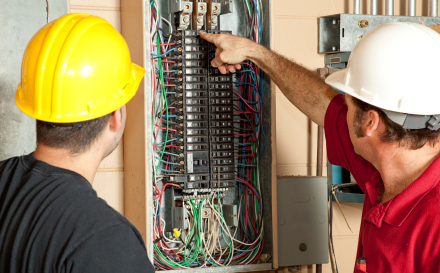
Thinking about Level 2 charging at home but not sure if your panel can handle it? You are not alone. In many Austin homes, the electrical panel is the traffic cop for every device, light, and appliance. Before you add a high-demand circuit for an EV, it helps to know where you stand and what a safe path looks like. If your panel is already crowded or near its limits, electrical panel upgrades can unlock the charging speed and reliability you want without stressing your system.
Below, we will explain how panel capacity works, the signs you might need an upgrade, and what a licensed electrician checks before approving a new EV circuit. You will also see smart options if you are at the edge, so you can choose the right solution for your home and driving routine.
Why Panel Capacity Matters for Level 2 Charging
Most homeowners prefer Level 2 charging because it adds miles faster and keeps daily routines simple. Level 2 chargers typically use a dedicated 240‑volt circuit. When you add that kind of continuous load, the panel has to support it during the busiest times of your day, like hot summer evenings when the air conditioner, oven, and dryer may run together.
If your main breaker rating and connected loads are already close to their limit, adding an EV charger can cause nuisance trips, slow charging, or hot connections. A proper load calculation by a licensed electrician confirms whether the panel has headroom for the charger you want, or if an upgrade or load-management solution makes more sense.
How To Tell If Your Panel Can Handle an EV Charger
Every home is different, but there are common clues that point to a tight panel. You do not have to diagnose anything yourself. Just be aware of the patterns and call a pro for testing and verification.
- Frequent breaker trips when multiple appliances run
- Warm breaker panel cover or humming sounds
- Double‑tapped breakers or lack of open spaces for a new two‑pole breaker
- Older panels paired with new, high‑demand appliances
Never ignore persistent tripping or heat at the panel. These are warning signs that deserve a professional check before adding any new circuit.
Typical Panel Capacity and EV Charger Electrical Requirements
Homes in Austin range from cozy Hyde Park bungalows with 100‑amp service to newer builds in Mueller or Circle C with 150‑ or 200‑amp service. Level 2 chargers come in different outputs, and the circuit size must match the charger’s maximum current. The higher the output, the more panel capacity you need available during peak use.
Because actual capacity depends on your home’s unique load mix, a licensed electrician performs a formal load calculation. That calculation looks at fixed appliances, HVAC, kitchen and laundry, lighting, general‑use receptacles, and any existing EV or solar equipment. The result guides a safe decision: install the circuit, choose a smaller charger, add load management, or proceed with a panel upgrade.
Austin, TX Home Realities: Heat, Older Panels, and New Loads
Austin heat is no joke. On 100‑degree afternoons, central air units pull hard, which shrinks the spare capacity left for EV charging when you get home. In older neighborhoods like Brentwood, Allandale, or Travis Heights, you may also see aging breaker brands or limited spaces. Out by Westlake Hills and Lakeway, larger homes often have more capacity, but also more high‑demand equipment running at once.
Seasonal peaks matter. A setup that seems fine in spring can show weak spots in August. That is why the load calculation should reflect how you actually live: number of drivers, typical charging time, and where the charger will be mounted.
Local insight: Summer HVAC loads in Central Texas push panels close to their limits. Scheduling a professional assessment before peak season can help you avoid surprise trips and keep charging consistent.
Ask your electrician to review spare spaces, main rating, and continuous‑load needs so your charger performs well year‑round.
What Happens During a Professional Panel Assessment
Good decisions start with good data. A thorough assessment focuses on safety, performance, and the path of least disruption to your home.
- Visual inspection: panel brand, condition, labeling, grounding, and bonding
- Space check: available breaker positions and bus compatibility for a two‑pole breaker
- Load calculation: accounting for HVAC, cooking, laundry, water heating, and other fixed loads
- Circuit routing: distance to the charger location, indoor or outdoor path, and protection from sun and moisture
- Charger specs: matching circuit size to the charger’s maximum current and recommended settings
After the assessment, you will get straight options. Sometimes the panel is ready to go. Other times, the electrician recommends a right‑sized charger, a load‑management device, or a panel upgrade with room to grow for a second EV later.
For Homes & Businesses
Complete Electrical Solutions


Electrical Repairs
Our crew handles a wide range of electrical repairs to keep your system operating safely and efficiently. From faulty wiring and flickering lights to outlets that no longer work, our team identifies the issue and provides a reliable fix. Every repair is completed with attention to safety and long-term performance.
Electrical Panel Upgrades
An outdated panel can limit your system's capacity and create safety concerns. We upgrade electrical panels to support modern power demands, improve efficiency, and ensure your system meets current standards. This service is ideal for homes adding new appliances or undergoing renovations.
Generator Installation
A professional generator installation provides dependable backup power during outages. We install systems designed to keep essential appliances and systems running without interruption. From selection to setup, we make sure your generator is ready when you need it most.
Smart Options If You Are Near the Limit
If your panel is close to max capacity, you still have practical choices that protect safety and keep charging reliable.
One path is a load‑management solution that monitors major circuits and pauses or throttles the charger during peak demand. Another is selecting a charger with a lower maximum current that still meets your daily driving needs. You can also consider shifting charging to off‑peak times. For many Austin commuters who drive predictable miles, these steps maintain convenience while avoiding panel stress.
When you want true headroom for future needs, an upgrade is the most flexible route. It clears space, improves reliability, and sets you up for additions like a second charger, a hot tub, or a workshop circuit.
Curious about the charging side of the project? Explore what goes into a clean, code‑aware installation by visiting our page on ev charger installation.
When an Electrical Panel Upgrade Is the Right Move
Upgrading the panel becomes the obvious choice when your home needs more continuous‑load capacity or when the current equipment is outdated or in poor condition. For example, if you have older components that no longer hold proper torque, visible corrosion, or a lack of available spaces, an upgrade helps your whole system, not just the EV circuit.
Safety should lead the decision. A modern, well‑labeled panel reduces the chance of heat, arcing, and nuisance trips. It also helps future service go faster and cleaner. If you are ready to add a Level 2 charger and want dependable performance through Austin summers, a professionally installed upgrade can be a strong long‑term investment.
To understand what your home needs next, review the scope and benefits of electrical panel upgrades and talk with a licensed electrician about your charging goals, home layout, and timeline.
How This Plays Out in Real Austin Homes
Here are a few common scenarios we see around town and how a pro may respond:
Hyde Park bungalow with 100‑amp service. With central air, electric dryer, and a plan for a 40‑amp Level 2 charger, a load calculation often shows little spare capacity. Many homeowners choose either a lower‑amp charger for now or upgrade the panel to support a full‑speed circuit and future needs.
Mueller townhome with newer 150‑ or 200‑amp service. Space is usually available and the calculation often supports a standard 40‑ to 50‑amp circuit. The focus shifts to a clean conduit path and a weather‑rated enclosure if the charger will be outside.
South Austin remodel with mixed‑age wiring. Even with a higher‑amp main, older subpanels or crowded breaker spaces can be a constraint. An upgrade or reconfiguration makes room for a dedicated EV circuit and improves reliability across the home.
Your Next Step: A Clear, No‑Pressure Assessment
Installing an EV charger should feel simple and safe. The fastest way to get there is to schedule a visit from a licensed electrician who will check panel condition, run a proper load calculation, and confirm the best path. Many homeowners start by reviewing the basics of an electrical panel upgrade and then decide between upgrading now or pairing a charger with load management.
For a quick chat about your goals, call 512-825-0402. If you are just starting research, you can also head to the home page to learn more about services for an electrical panel upgrade for ev charger in Austin, TX from Infinite Power.
Ready To Charge Faster in Austin, TX?
If you want reliable overnight charging without hassle, we can help you plan the right solution for your home, your panel, and your routine. Our team serves Austin and nearby neighborhoods like Crestview, East Austin, and Westlake Hills with careful, code‑aware work that respects your time and property. When quality and safety matter, trust Infinite Power to size the circuit correctly, route conduit neatly, and test everything before the first charge.
Talk with a licensed electrician today at 512-825-0402. To see what is involved and how we future‑proof your setup, review our service page for electrical panel upgrades and get ready for a smoother daily charge at home.

Get In Touch!
Ask About Our 5-Year Workmanship Warranty